



The Portrait of Ines de la Fressange
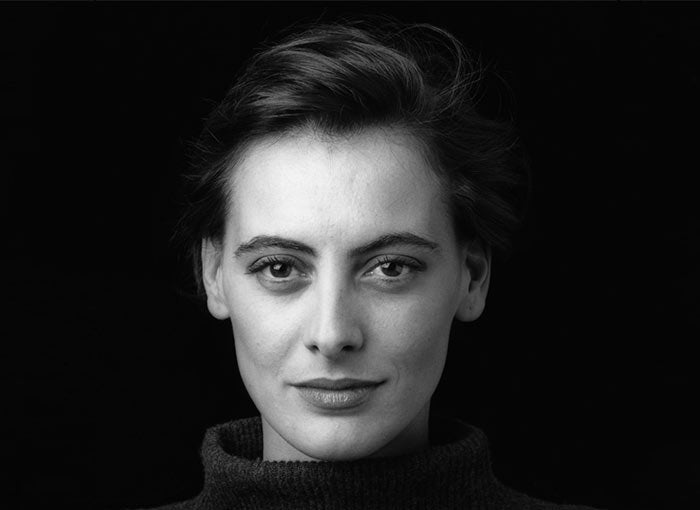
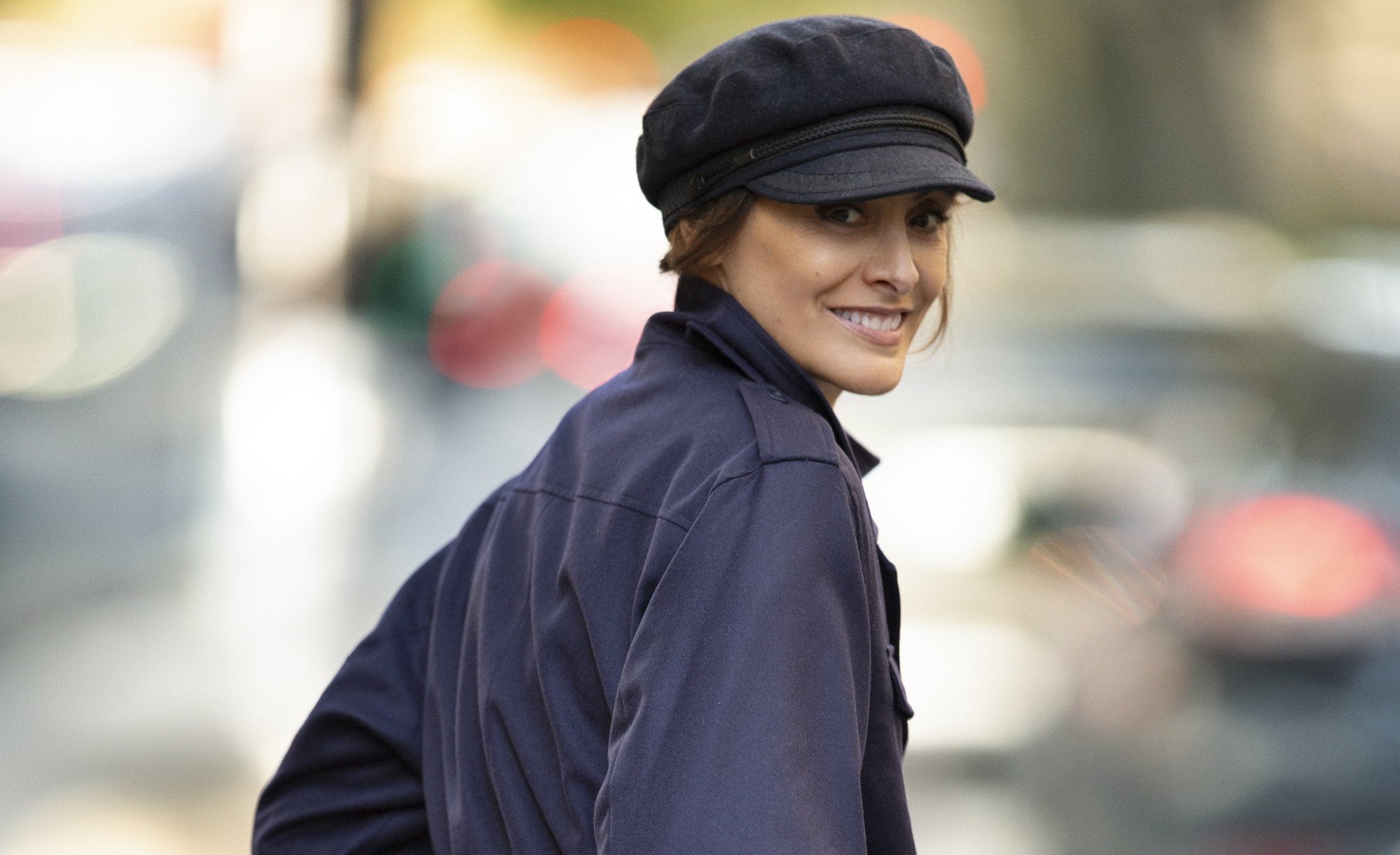
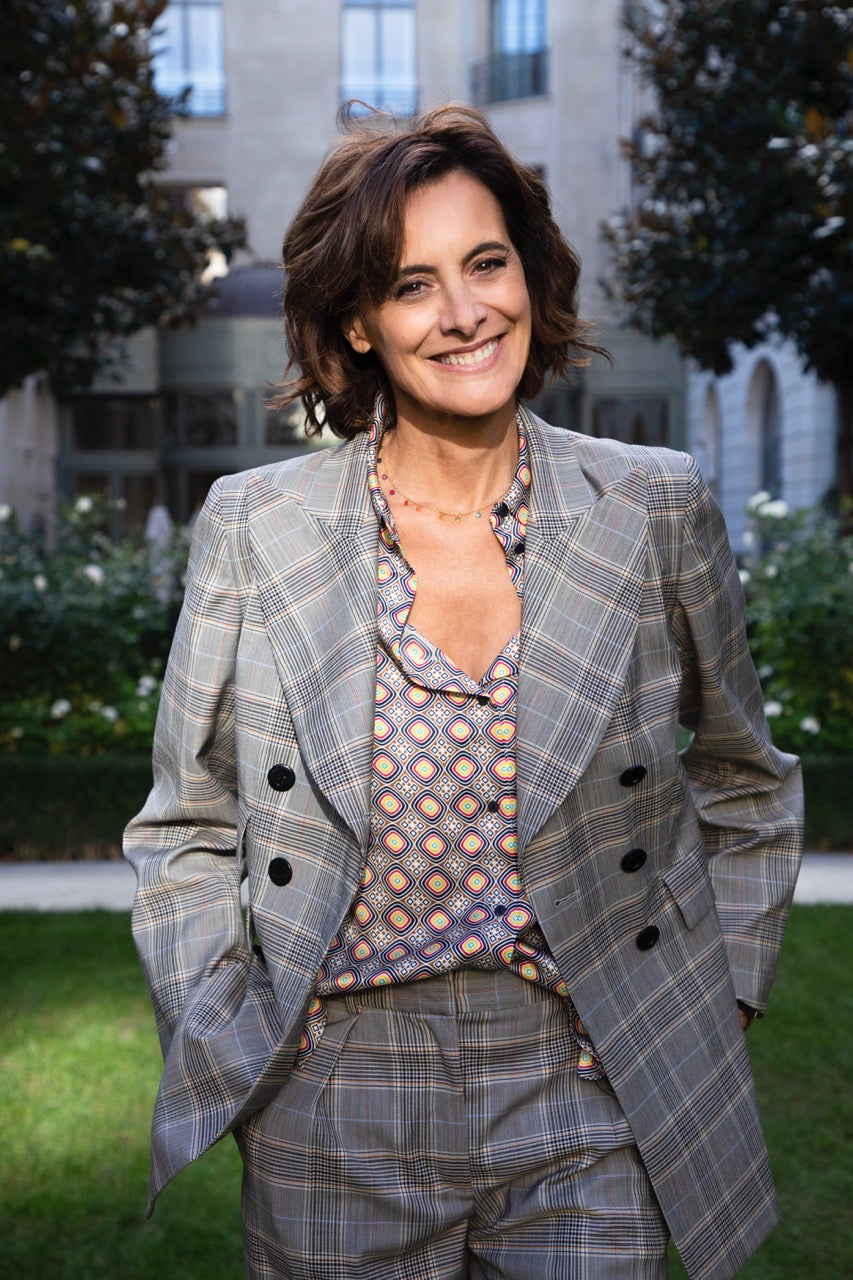
Ines de la Fressange is the icon and symbol of Parisian style, she is a figure of French fashion and one of the most famous women in France.
Ines de la Fressange embodies a form of joyful luxury, natural elegance, and a relaxed chic that the whole world has called "effortless chic".
A model at 17, she quickly became one of the most talented and famous models in the world, walking the international runways for the greatest French fashion houses such as Christian Dior, Jean-Paul Gaultier, Yves Saint Laurent, and many others.
Muse of Karl Lagerfeld, she was chosen as the ambassador of the House of Chanel and is the first model to sign an exclusive contract with a luxury brand. A true French icon, she was selected as the face of Marianne, symbol of the French Republic, and has her statue at the Grévin Museum in Paris.
Ines shared her secrets in her book, “La Parisienne” (“Parisian Chic” in English), which achieved immense global success, published in 17 languages and continuously reissued, having already sold over a million copies worldwide.
Ines now inspires and leads the creation of the brand Ines de la Fressange Paris, which offers women around the world the opportunity to access the best of Parisian style.
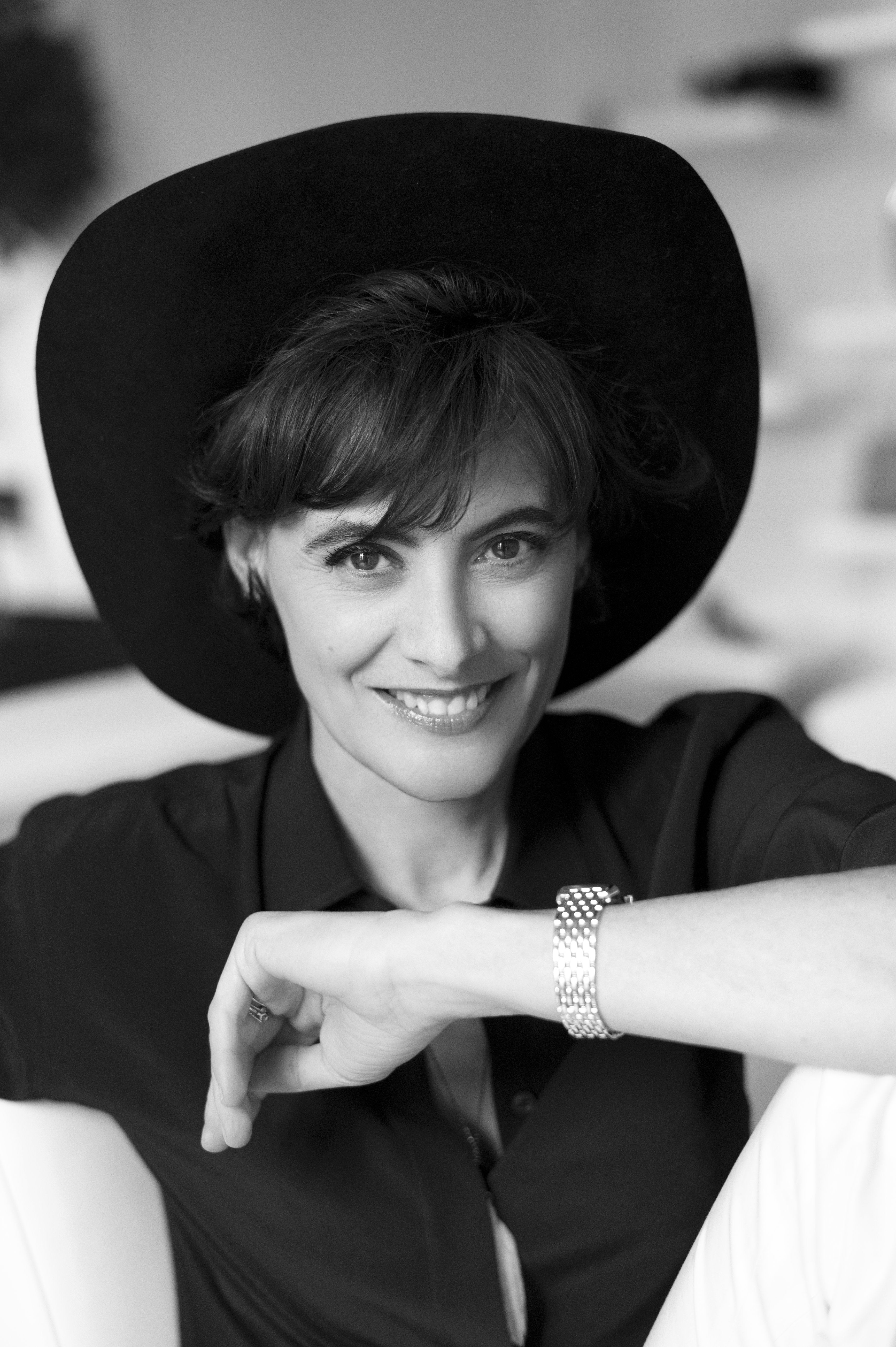
How would you describe your journey in fashion?
Varied! I have had several very different roles: model, editor, consultant, communications director, and above all stylist, which is my favorite occupation. Creating is the most beautiful profession.
What is the most beautiful memory of your career? (Meeting, anecdote…)
The memories are many, the best ones are those of encounters with people who often later became friends: Paolo Roversi, Naoki Takizawa, Karl Lagerfeld… But I remember a fashion show for my brand with models ranging from 7 to 89 years old that was particularly warm and joyful, yet made with limited resources.
Can you describe your style in a few words?
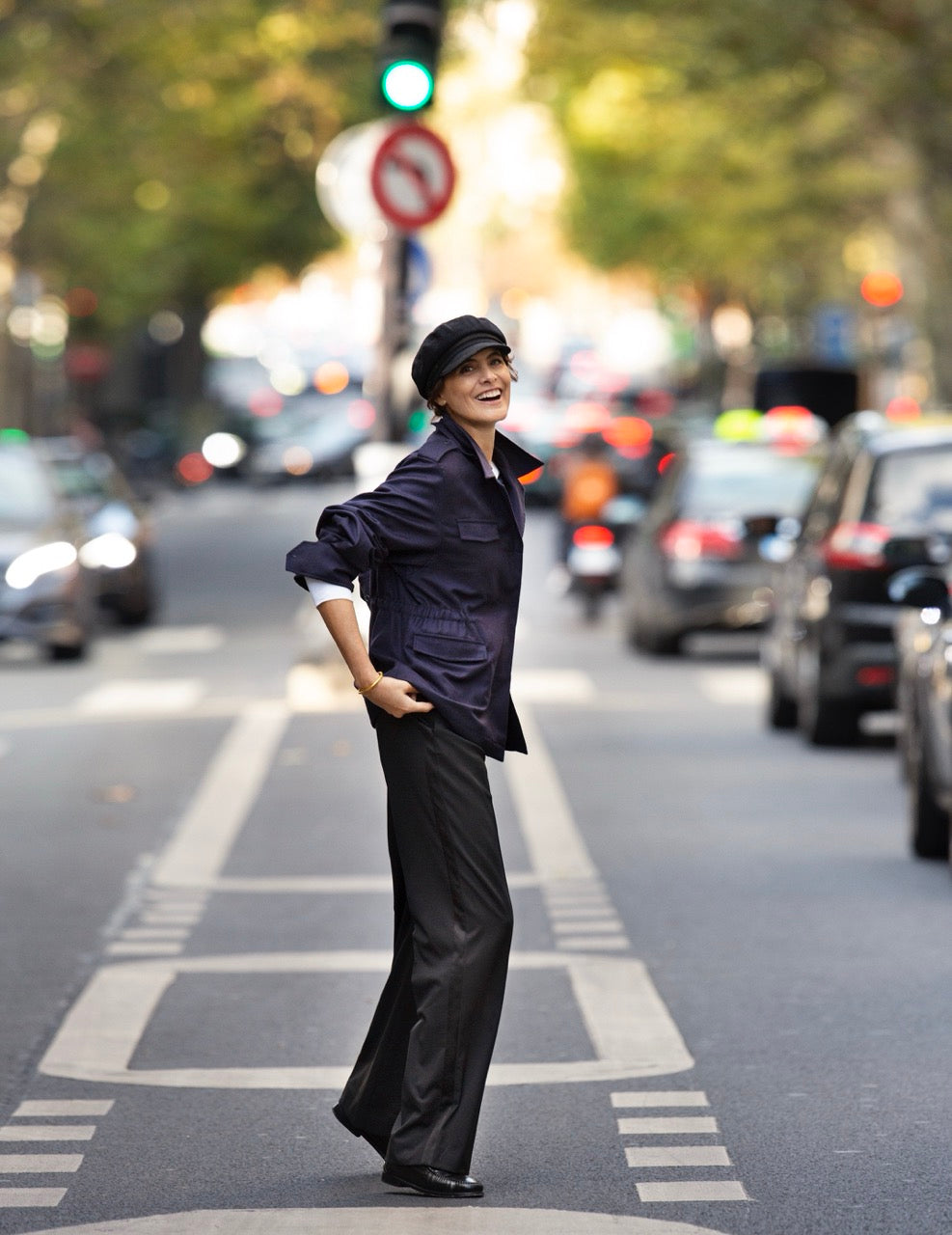
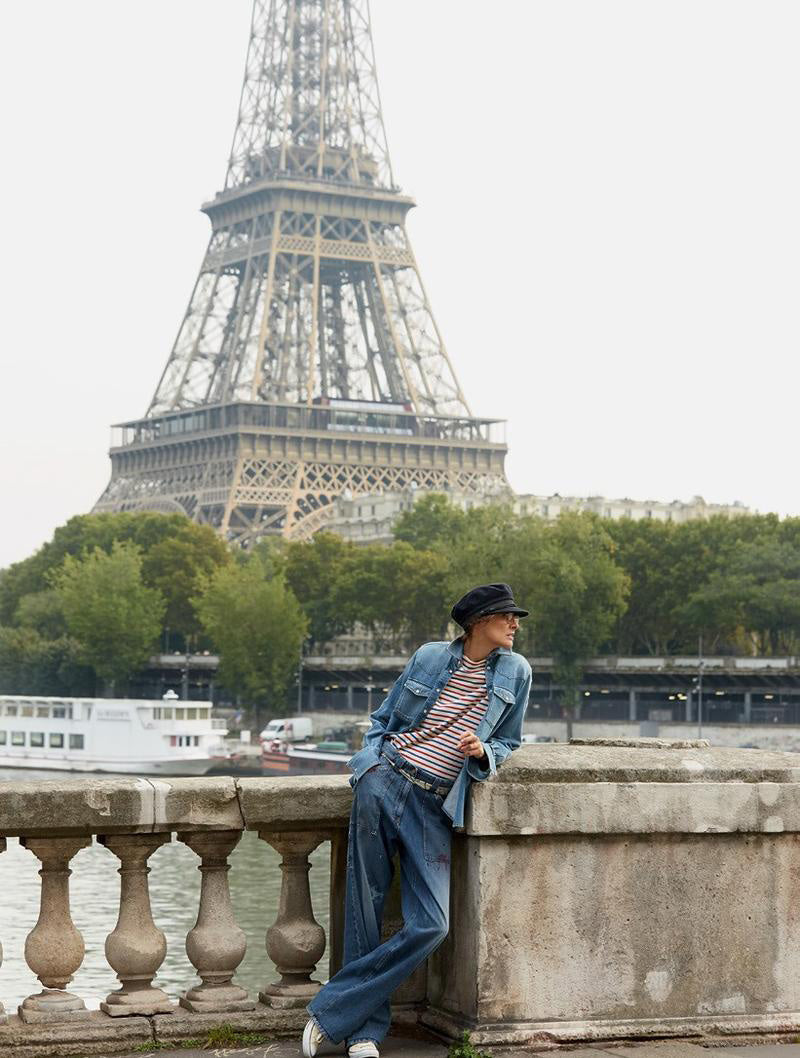
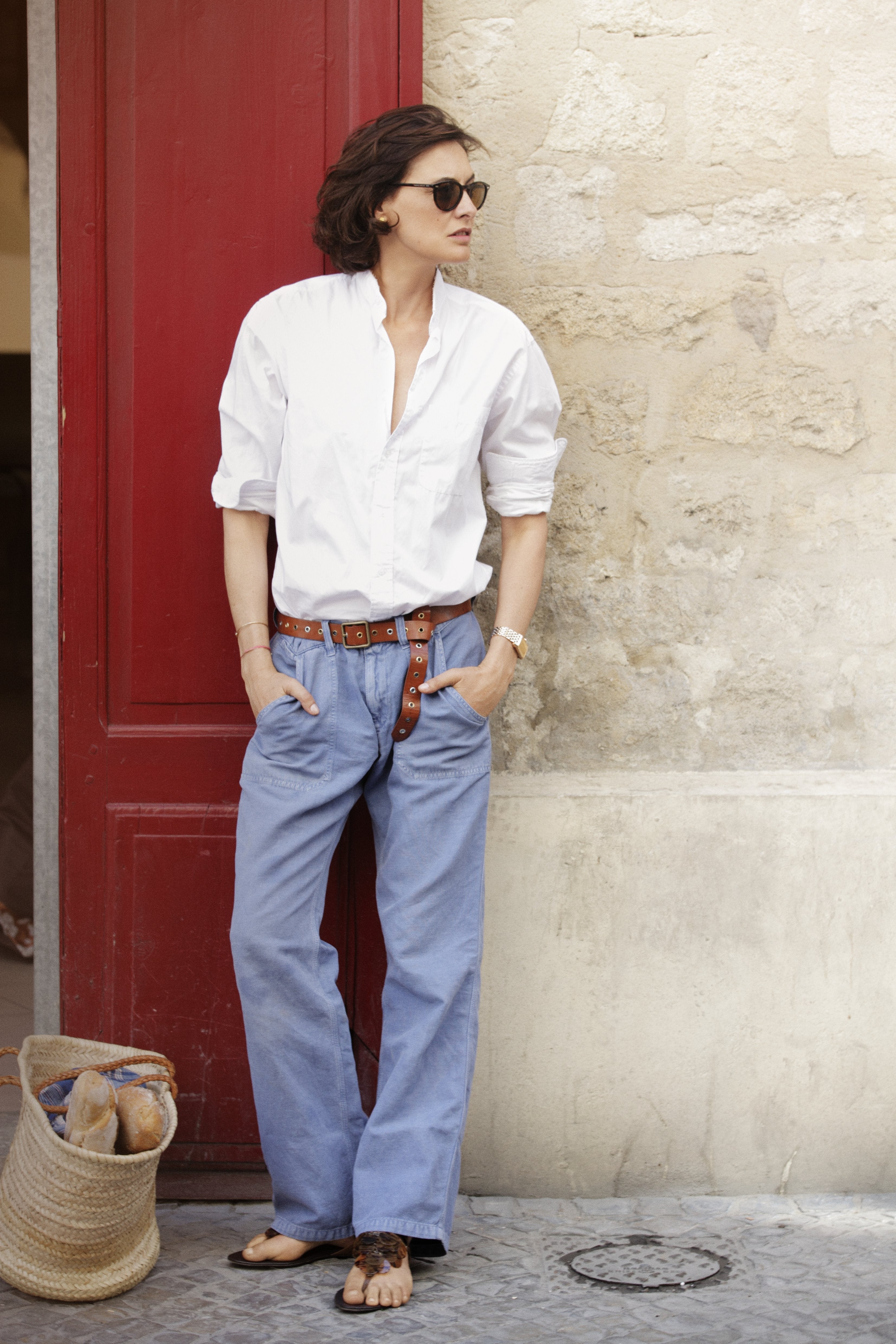
A handbag that costs more than the entire outfit combined! (laughs) White jeans, a navy blue sweater, and beautiful accessories. Clothes borrowed from men that become very feminine. A slightly deliberate simplicity. New clothes that seem timeless. Luxurious but not flashy garments.
Your philosophy of life?
Let's list what is going well rather than what is frustrating. After the rain comes the sunshine, but the rain isn't so bad. Let's try to find a benefit in every task.

The House of Ines de la Fressange Paris
What role do you have in the House?
Advise, encourage, find, inspire, criticize, congratulate, but above all be involved and give confidence to our clients.
How do you decide what you want from one season to the next?
My desires are like my breathing, they never stop. Just by seeing a fabric, I imagine the pants or coat I would like to wear; That is the key: wanting to wear the clothes yourself and imagining that your customers are your friends and will follow your wishes. Desire also comes from lack, I am always missing something in my wardrobe: a parka for going out in the evening, dress pants, a big soft sweater…
Where do you draw your inspiration from?
Everything is inspiring; today we are flooded with images, for example on Pinterest. There are also museums, exhibitions, cinema, people we meet, but the difficult part is not having imagination, but choosing what we will do or not. Eliminating, editing, removing, and keeping a color range and a very clear line seems more difficult to me.
Can you describe the brand in a few words?
A friendly brand that finds support and solutions for women; a desire for honesty both in style and in quality and prices. A reliable house that still wants to keep surprises. A desire to bring joy. A sensible side while avoiding boredom. For a woman who embraces her frivolity but is not superficial. A wish to be trendy without becoming fashion victims.
Who are Ines de la Fressange Paris clothes for?
A person who avoids consumerism wants to have less but better. A woman who wants to buy a coat and at the same time offer a dress for her little girl at the same place. A woman who needs to dress a certain way for work but doesn’t want to look gloomy. A young girl who needs a well-cut jacket or pants for special occasions but wants to wear them in all kinds of moments. A woman who remains curious, wants to keep her style but is open to some changes. A woman who keeps her clothes and wants them to age as well as she does. A person who wants to give a gift, finding just as easily a scented candle, a vase, small leather goods, or a pair of glasses.
What is your definition of a Parisian woman?
Apparently, there’s a great book on this subject! (laughs) In summary, it’s more of a state of mind than a civil status. It’s a woman who cares about her appearance and knows how to cheerfully mix the new and the old, the luxurious and the more casual, wants to have style rather than just follow fashion, but remains attentive to what’s happening in her time.
Your favorite walk?
I love the streets of Saint-Germain des Prés where it is easy to imagine what it was like in the 18th century, as in the time of Juliette Gréco. The streets Férou, Servandoni, and de Tournon are beautiful and untouched.
The best neighborhood for shopping?
That works out well: I also like the Left Bank with shops like Isabelle Marant's or Marie-Hélène de Taillac's, as well as the must-visit Bon Marché. I also go to Kerstin Adolphson or 45RPM, which are not far from my shop on rue de Grenelle.
Left bank or right bank?
The left bank is historically less conventional, but I really love the gardens of the Palais Royal and the Marais on the right bank.
The best time of the year in Paris?
September is cheerful, there’s still a holiday vibe, the weather is still nice, you can keep your basket and sandals, but I would rather recommend June to tourists for hanging out on bistro terraces and getting lost in the streets.
If Paris were a work? (A book, a painting, a song, or a film)
That would be a collage because being in the Faubourg Saint-Honoré or in Belleville has nothing to do with each other, and that’s the richness of the city: its variety. So let’s imagine a painting by Basquiat with a bit of Bonnard and Jean-Baptiste Sécheret in a Renoir film described by Françoise Sagan in collaboration with Maupassant and Balzac! (laughs)